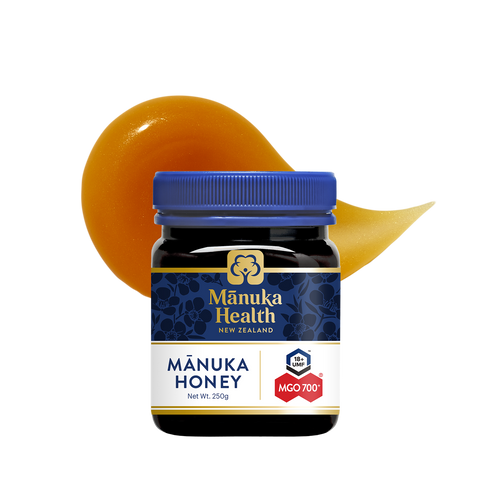
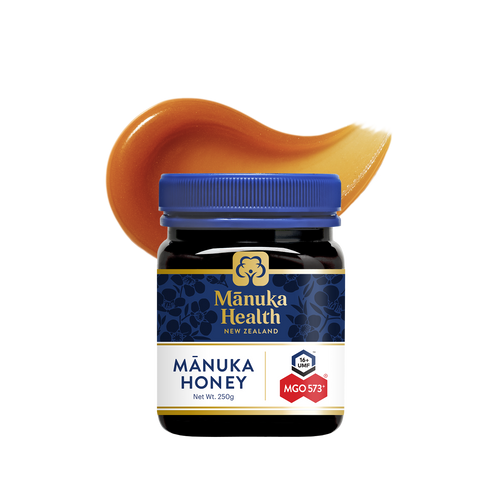
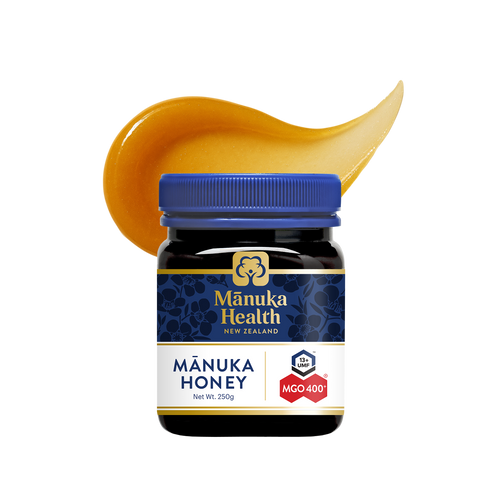
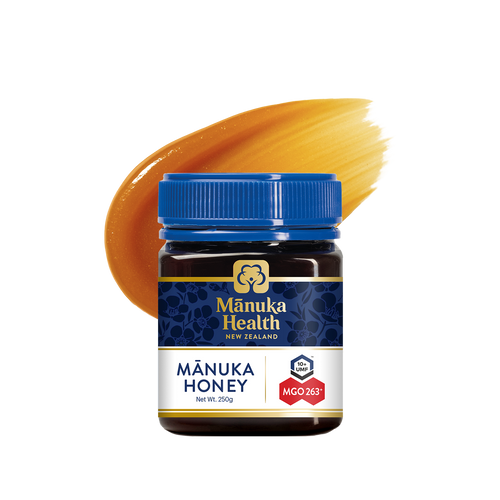
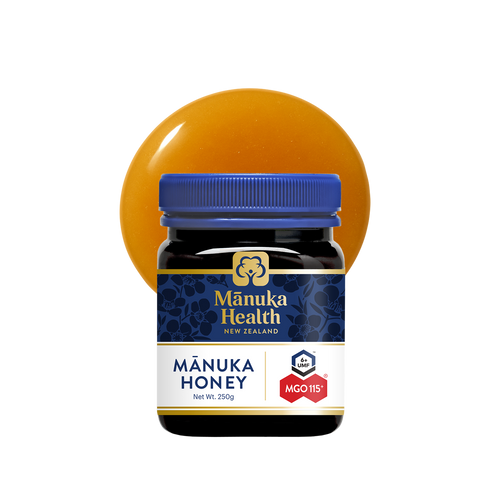
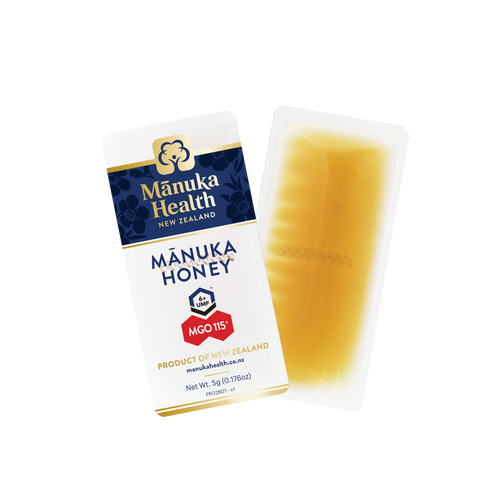
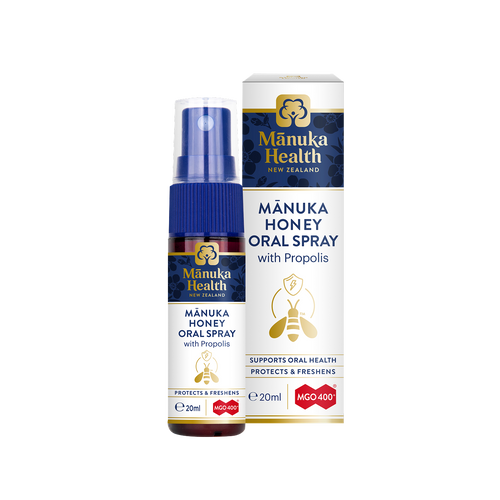
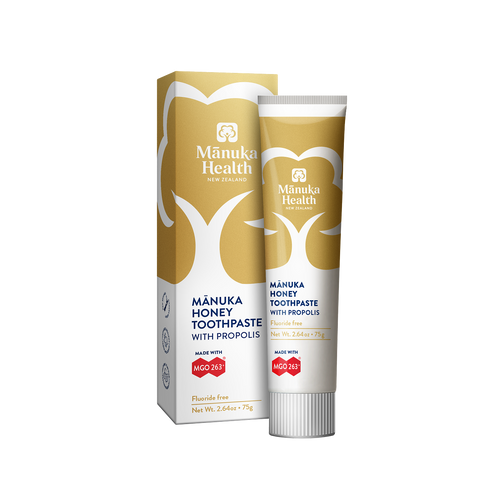
Designed by the honeybee, curated for you and me.

We are guardians of nature’s greatest love story, and custodians of its three precious gifts; mānuka honey, propolis and royal jelly. Harnessing these gifts, we have created a holistic and harmonious wellness system.
Two people in white beekeeping suits with veiled faces tend beehives outdoors in a field, with trees and mountains blurred in the background.

WHY MĀNUKA HEALTH

100% New Zealand Origin

Every batch of Mānuka Health honey is traceable all the way back to the dedicated beekeeper who nurtured it. We are among a select few honey producers who manage every step of the process, from caring for our own hives to extracting, processing, and bottling our honey in state-of-the-art facilities. This hands-on approach ensures exceptional quality, integrity, and authenticity at every stage, preserving the honey’s remarkable natural properties.

Sustainable Beekeeping

Our responsibility extends far beyond honey production. At Mānuka Health, we are committed to supporting the long-term health and resilience of New Zealand honeybees through ongoing research and sustainable beekeeping practices.

Through queen bee genetics research, we are helping develop stronger, more disease-resistant colonies that can thrive for generations to come. At the same time, we remain committed to practices that prioritize the well-being of our bees above all else.

We never use antibiotics, pesticides, or hormones in our hives, and we ensure our bees always retain ample honey reserves before any harvest takes place. We harvest only the surplus, honoring the natural balance of the hive and supporting colony vitality year-round.

Certified MGO & UMF

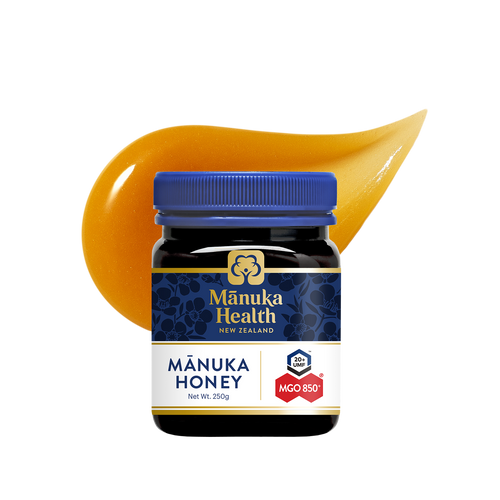
Each drop is rigorously tested and third-party certified for purity and potency. Our “liquid gold” is more than just a phrase, it is a promise, with every jar traceable back to its exact source.

Certified, authenticated, and deeply rooted in the pristine landscapes of New Zealand, Mānuka Health honey reflects the highest standards of excellence, from hive to jar and into your home.

Highest Quality

After careful extraction from the hive, our honey undergoes a meticulous process at our state-of-the-art facility in Te Awamutu. Here, it matures, undergoes slow churning, and is creamed at low temperatures, a unique recipe that can take up to two years to perfect.

This painstaking process ensures a consistently superior taste and texture while preserving the honey's natural goodness, resulting in a mānuka honey unlike any other. Quality and purity are paramount at every stage; each batch undergoes a rigorous three-stage quality assurance process to ensure that every jar of mānuka honey we produce meets our exacting standards.

Our unwavering commitment to delivering the purest and most delicious mānuka honey reflects the passion and dedication that defines every step of our journey. 

MGO logo on a blue background.
WHAT IS MGO IN MĀNUKA HONEY?

Closely linked with premium mānuka honey MGO or methylglyoxal is celebrated for its distinct properties and impressive health benefits. But what exactly is MGO and why is it so significant? Let’s dive in and explore.

Learn More About methylglyoxal

Endorsements and accreditations

Unique Manuka Factor - Quality Certificate

Logo of the Non-GMO Project with a blue butterfly symbol on a white background

Non-GMO Project Verified

BRCGS Global Standard For Food Safety

Fernmark Licence Programme

FIANZ Halal Certificate

Eco Cert Cosmos Natural

Kosher check

Blog

MĀNUKA HONEY VS. OTHER HONEY: WHAT’S THE DIFFERENCE?

 If you’ve ever spotted a jar of mānuka honey and wondered why it’s priced higher or why it gets so much attention, you’re not alone. So what actually sets mānuka honey apart from regular honey? Let’s break it down.

A dessert in a clear glass cup with a spoon pouring caramel-like sauce over it, set on a dark navy background with a peach orchid flower beside it.

DOES USING A METAL SPOON REALLY HARM MĀNUKA HONEY'S ENZYMES?

Over the years, one piece of advice you may have heard is to avoid using a metal spoon with honey, as it supposedly "kills the enzymes" and reduces its health benefits. But is there any truth to this claim? Let’s clear the air.